GHK-Cu Copper Peptide: Compound Profile and Chemistry
A chemical profile of GHK-Cu, the copper(II) complex of the tripeptide glycyl-L-histidyl-L-lysine: how the copper is bound, the 1:1 and 2:1 forms, the names in use, bench handling and regulation.
HOME / RESEARCH PEPTIDES / GHK-CU
GHK-Cu is a complex of copper(II) with the tripeptide glycyl-L-histidyl-L-lysine (GHK).12 It is also searched as GHKCu and GHK copper, and is recorded as copper tripeptide-1 and prezatide copper. The copper ion is bound by the glycine amino group, the deprotonated amide nitrogen of the glycine–histidine bond and the histidine imidazole nitrogen, a coordination studied by NMR, EPR and X-ray crystallography (see the literature below).
This page is a reagent reference: identity, structure, storage, laboratory reconstitution and certificate status. It is not a product listing and makes no statement about any use of the compound.
Also searched as: GHKCu, GHK Cu, GHK copper, copper tripeptide-1, prezatide copper, Cu-GHK
View GHK-Cu in the catalogue The catalogue, prices and checkout require a free account login.
| Name | GHK-Cu |
|---|---|
| Other names and spellings | GHKCu, GHK copper, copper tripeptide-1, prezatide copper, Cu-GHK |
| Compound class | Copper(II)–tripeptide complex |
| Peptide sequence | GHK (Gly-His-Lys), complexed with Cu(II) |
| Molecular formula | C14H23CuN6O4+ (1:1 complex, prezatide copper); C14H24N6O4 (free GHK) |
| Molecular weight | 402.92 g/mol (1:1 complex); 340.38 g/mol (free GHK) |
| CAS number | 89030-95-5 (prezatide copper); 49557-75-7 (GHK) |
| PubChem CID | 71587328 (prezatide copper); 73587 (GHK) |
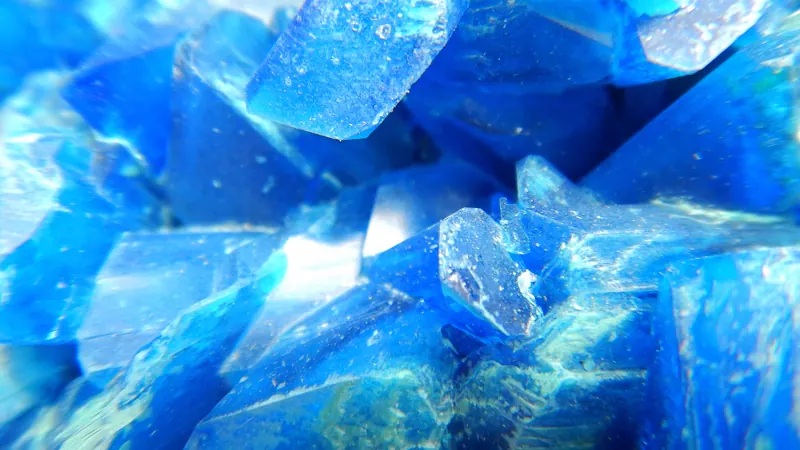
| Appearance | Blue to violet lyophilised (freeze-dried) powder in a sealed vial; the colour comes from the copper(II) centre. |
| Intended use | Laboratory and research use only |
Formula, molecular weight, CAS numbers and synonyms are PubChem reference values (CIDs 71587328 and 73587). PubChem also holds a record for a 2:1 peptide-to-copper form, so confirm which form a document describes before comparing its formula or mass with a record. Sources
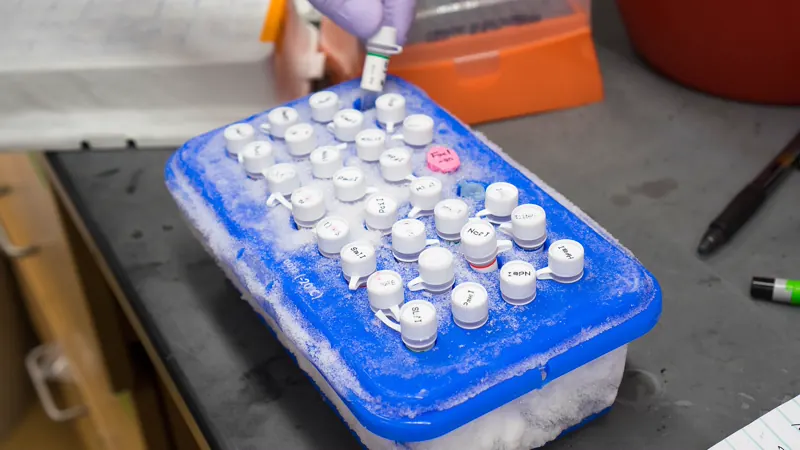
Store the sealed vial dry, dark and frozen at −20 °C or colder, and let it reach room temperature in a desiccator before opening.S1 The copper centre adds two bench considerations. The complex exists as several species depending on pH, so buffer choice can change what is actually in solution. Its blue colour can also interfere with absorbance-based or colorimetric assays, so run a reagent blank. Keep solutions short-lived, as frozen single-use aliquots.
GHK-Cu is water-soluble. Avoid buffers containing strong copper chelators, such as EDTA, unless the protocol intends to strip the copper, and note the pH, since it changes which copper species is present.
The concentration of a stock solution is set by the assay protocol, not by this page. Our guides to reconstituting peptides with bacteriostatic or sterile water and how to store peptides explain the reasoning behind each step.
Purity: not published. Titan Peptides publishes a purity figure only once a certificate of analysis (COA) for the batch has been checked and its compound name, CAS number and sequence match the product. Until that check is complete, no purity figure is shown on this page or in the catalogue.
A COA is available to account holders on request. Our guide on how to read a peptide certificate of analysis explains what to check, and HPLC and mass spectrometry for peptide purity covers how the figures are measured.
GHK-Cu is not named in the Poisons Standard June 2026 (F2026L00633). The instrument does contain a general Schedule 4 entry for "copper compounds for human use", with exceptions that include preparations containing 5% or less of copper compounds.3 The TGA's 13 April 2026 safety advisory names GHK-Cu as an example of an unapproved peptide product, not evaluated by the TGA for safety, quality or effectiveness, and states that a "research use only" disclaimer does not make supply lawful.4 See research peptides and Australian law.
Yes. GHKCu, GHK Cu, GHK copper, copper tripeptide-1 and prezatide copper all describe the copper(II) complex of the tripeptide glycyl-L-histidyl-L-lysine. PubChem records the 1:1 complex as CID 71587328, CAS 89030-95-5.
PubChem gives 402.92 g/mol for the 1:1 complex (C14H23CuN6O4+) and 340.38 g/mol for the free tripeptide GHK (C14H24N6O4). A 2:1 peptide-to-copper form has a different formula and mass, so check which form a document refers to.
The colour comes from the copper(II) ion bound to the peptide. Free GHK, without copper, is a white powder. Because of the colour, run a reagent blank when using absorbance-based or colorimetric assays.
Sealed, dry and dark at −20 °C or colder. Warm the vial to room temperature in a desiccator before opening, and keep reconstituted stock as frozen single-use aliquots. Avoid chelating buffers such as EDTA unless removing the copper is intended.
A chemical profile of GHK-Cu, the copper(II) complex of the tripeptide glycyl-L-histidyl-L-lysine: how the copper is bound, the 1:1 and 2:1 forms, the names in use, bench handling and regulation.
A laboratory guide to storing lyophilised and reconstituted peptides: freezer temperatures, moisture, oxidation-prone residues, light, freeze–thaw cycles and adsorption to containers.
What the TGA, the June 2026 Poisons Standard, the Therapeutic Goods Act and customs law actually say about peptides, "research use only" labels, import controls and advertising in Australia.
Listed by title and journal for identification only. Titan Peptides does not summarise or rely on the findings of these papers.