For laboratory and research use only. Not for human consumption.  Sold exclusively to qualified researchers and licensed laboratories.

HOME  /  RESEARCH PEPTIDES

Research peptides: compound reference

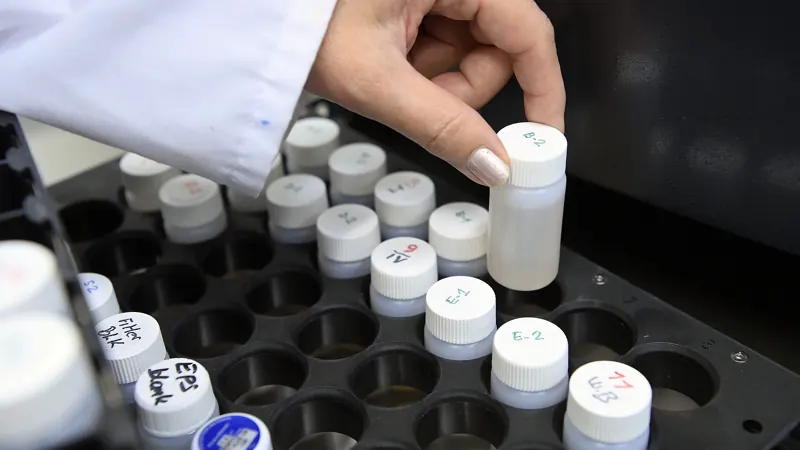
Peptides are short chains of amino acids joined by amide (peptide) bonds. Research peptides are synthetic peptides made, usually by solid-phase synthesis, for laboratory and in-vitro work, and supplied as lyophilised (freeze-dried) powder. Our article what are research peptides? covers the chemistry in more depth.

Each page below is a reagent reference for one compound: its names and the spellings people search for, sequence or structure, CAS number and molecular weight from PubChem (cited), appearance, storage, a laboratory reconstitution procedure, certificate status and links to peer-reviewed literature. These pages are open to everyone and carry no prices. The catalogue itself requires a free account.

Also searched as: peptides, research peptides, peptide reagents

Research use only. Not a drug, food or cosmetic. Every compound on these pages is supplied strictly for laboratory and in-vitro research and is not for human consumption. It is not an approved therapeutic good in Australia, has not been evaluated or approved by the FDA or the TGA, and is not intended to diagnose, treat, cure or prevent any disease. Titan Peptides sells exclusively to qualified researchers and licensed laboratories.

Catalogue (free account required) The catalogue, prices and checkout require a free account login.

Compound reference pages

CompoundCAS numberMolecular weight
BPC-157
BPC157, BPC 157, BPC-15
137525-51-01419.5 g/mol (free peptide)
TB-500
TB500, TB 500, Ac-LKKTETQ
885340-08-9889.0 g/mol
GHK-Cu
GHKCu, GHK Cu, GHK copper
89030-95-5 (prezatide copper); 49557-75-7 (GHK)402.92 g/mol (1:1 complex); 340.38 g/mol (free GHK)
Retatrutide
Reta, LY3437943, LY-3437943
2381089-83-24731 g/mol (computed)
GLOW blend
GLOW, Glow peptide, GLOW blend
Blend: see componentsBlend: see components

CAS numbers and molecular weights are PubChem reference values; each compound page cites its record.

Storage and handling

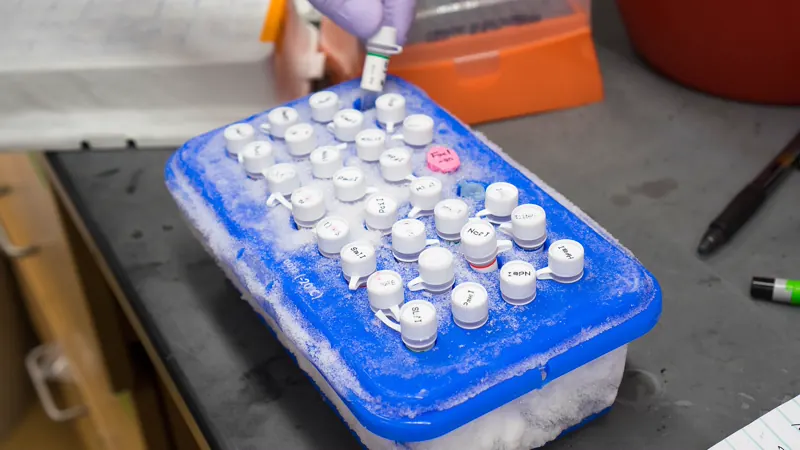
Most lyophilised peptides share the same basic handling: keep vials sealed, dry, dark and frozen at −20 °C or colder; let a vial reach room temperature in a desiccator before opening; and store solutions as frozen single-use aliquots rather than refreezing them.S1S2 The details differ by sequence, which is why each compound page notes its own residues of concern. Our guides to how to store peptides, reconstituting peptides and reading a certificate of analysis go further.

Status in Australia

Under the Therapeutic Goods Act 1989, peptide products are regulated as therapeutic goods in Australia, and the TGA states that a "research use only" disclaimer does not change a product's regulatory status.2 BPC-157 and TB-500 are Schedule 4 substances listed in Appendix D, clause 5, of the Poisons Standard; GHK-Cu and retatrutide are not named in it, but the TGA names all four as examples of unapproved peptide products. Each compound page gives the detail, and our guide to research peptides and Australian law sets out the sources.1

Research peptides: quick answers

What are research peptides?

Research peptides are synthetic chains of amino acids made for laboratory and in-vitro research. They are usually produced by solid-phase peptide synthesis, purified by HPLC and supplied as a lyophilised powder in a sealed vial, with identity confirmed by mass spectrometry.

How are lyophilised peptides stored?

Sealed, dry and dark at −20 °C or colder, with −50 to −80 °C preferred for long-term storage. Let the vial reach room temperature in a desiccator before opening, and keep any solution as frozen single-use aliquots rather than refreezing a thawed one.

Why do these pages not show a purity figure?

A purity figure is published only after the batch certificate of analysis has been checked and its compound name, CAS number and sequence match the product. Until that check is complete, no figure is shown.

Do I need an account to read these reference pages?

No. The compound reference pages and the research library are open to everyone. The catalogue, prices and checkout are available to registered researchers and laboratories after a free account login.

From the research library

Lab Handling

How to Store Peptides: Lyophilised Powder and Solutions

A laboratory guide to storing lyophilised and reconstituted peptides: freezer temperatures, moisture, oxidation-prone residues, light, freeze–thaw cycles and adsorption to containers.

21 September 2026 · 7 min read
Regulation & Compliance

Are Peptides Legal in Australia? What the TGA and the Law Say

What the TGA, the June 2026 Poisons Standard, the Therapeutic Goods Act and customs law actually say about peptides, "research use only" labels, import controls and advertising in Australia.

21 September 2026 · 8 min read
Science Explained

How to Read a Peptide Certificate of Analysis (COA)

A section-by-section guide to reading a peptide certificate of analysis: identity, HPLC purity, net peptide content, counter-ions, water, endotoxin, and the red flags that mean a COA does not check out.

21 September 2026 · 8 min read

Sources

  1. Therapeutic Goods (Poisons Standard—June 2026) Instrument 2026 (Standard for the Uniform Scheduling of Medicines and Poisons No. 48), F2026L00633. Commenced 1 June 2026. Federal Register of Legislation. Source
  2. Therapeutic Goods Administration. Understanding your responsibilities when importing, compounding and supplying unapproved peptide products (safety advisory). Published 13 April 2026. Source
  1. S1. Bachem. Handling and storage guidelines for peptides (Peptide Guide, chapter 6). Source
  2. S2. Sigma-Aldrich (Merck). Handling and storage guidelines for peptides and proteins. Source
Research use only. Not a drug, food or cosmetic. Every compound on these pages is supplied strictly for laboratory and in-vitro research and is not for human consumption. It is not an approved therapeutic good in Australia, has not been evaluated or approved by the FDA or the TGA, and is not intended to diagnose, treat, cure or prevent any disease. Titan Peptides sells exclusively to qualified researchers and licensed laboratories.